
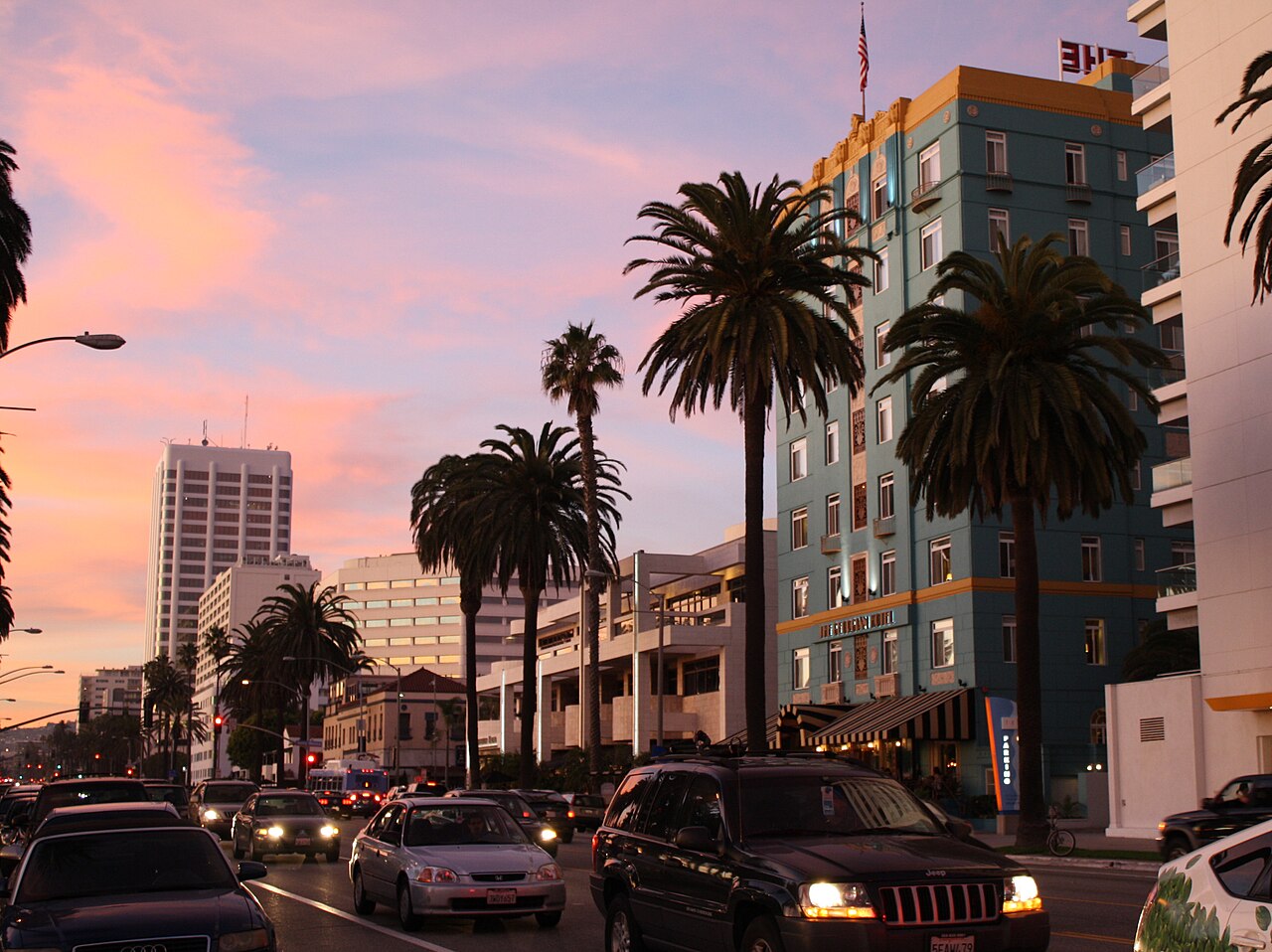
Santa Monica is one of the most desirable places to live in Southern California—ocean views, perfect weather, walkable neighborhoods. But if you're thinking about building a custom home here, you need to understand something upfront: Santa Monica has some of the most restrictive building regulations in the entire state.
I've worked on projects throughout LA County, and Santa Monica consistently presents the most complex permitting and compliance challenges. This isn't meant to discourage you—it's meant to prepare you. Here's what you're dealing with.
Before you can build anything, you need to know what zone your property sits in. Santa Monica's zoning map divides the city into residential, commercial, and mixed-use districts. For custom home builders, the key residential zones include:
Your zone determines almost everything: how tall you can build, how close to property lines, how much of your lot you can cover, and whether you need additional design review.
Santa Monica enforces strict height limits that vary by zone. In most R1 zones, you're looking at:
If your dream design includes a rooftop deck with ocean views, you'll need to factor in these height restrictions early in the design phase. Many homeowners are surprised to learn that what they envisioned simply won't fit within the allowed envelope.
This is where most custom home dreams get adjusted. Floor Area Ratio limits how much total floor space you can build relative to your lot size. In Santa Monica:
This means on a typical Santa Monica lot, you might be limited to a 2,500-3,500 square foot home—regardless of your budget. The land can support a mansion, but the zoning won't allow it.
Setbacks determine how close you can build to your property lines. Standard requirements in R1 zones include:
These setbacks, combined with FAR limits, define your building envelope—the three-dimensional box within which your entire home must fit.
Lot coverage limits the percentage of your lot that can be covered by structures. In Santa Monica residential zones:
This is separate from FAR—you can have low lot coverage but max out your FAR with a two-story home, or vice versa.
If your property is in Santa Monica's Coastal Zone (generally west of Lincoln Boulevard or near the beach), you have an additional layer of approval to navigate: the California Coastal Commission.
Projects in the Coastal Zone require:
I've seen projects in the Coastal Zone take twice as long to permit as similar projects elsewhere in the city. Plan accordingly.
Santa Monica has been a leader in green building mandates. For new construction, you'll need to comply with:
These requirements add to both design complexity and construction costs, but they also result in homes that are more efficient and have lower operating costs long-term.
Parts of Santa Monica have historic preservation overlays, including portions of Ocean Park and the Third Street area. If your property is in or near a designated historic district:
Before purchasing a lot for custom home construction, always check for historic designations or proximity to landmarks.
Santa Monica requires off-street parking for all residential construction:
This means your garage isn't optional—it's required, and it eats into your building envelope.
If you're planning to include an Accessory Dwelling Unit (ADU) with your custom home, Santa Monica has specific regulations:
Expect a thorough and sometimes lengthy permitting process:
Timeline reality: Plan for 6-12 months for permits in most cases, potentially longer for Coastal Zone or historic area projects.
Santa Monica's restrictions aren't arbitrary—they're designed to preserve neighborhood character, protect coastal resources, and manage density. But they absolutely shape what you can build.
The key is working with a contractor who understands these regulations before you finalize your design. I've seen homeowners spend tens of thousands on architectural plans that had to be completely reworked because they didn't account for FAR limits or setback requirements.
Before you buy land or commit to a design:
Building a custom home in Santa Monica is absolutely possible—and the end result can be spectacular. But it requires realistic expectations and careful planning from day one.
If you're considering a custom home project in Santa Monica or anywhere in the Greater Los Angeles area, we're happy to help you navigate these requirements. Understanding what's possible on your specific lot is the first step toward building the home you actually want.
Tell us about your project, and a member of our team will personally reach out to schedule a consultation.


